Tracing the History of Yogyakarta’s Oldest City: The Acculturation of Hindu, Buddhist, and Islamic Cultures in the Architecture of the Masjid Gedhe Mataram

Kelanawisata/frm
|
28 Desember 2025
|
985x Dilihat
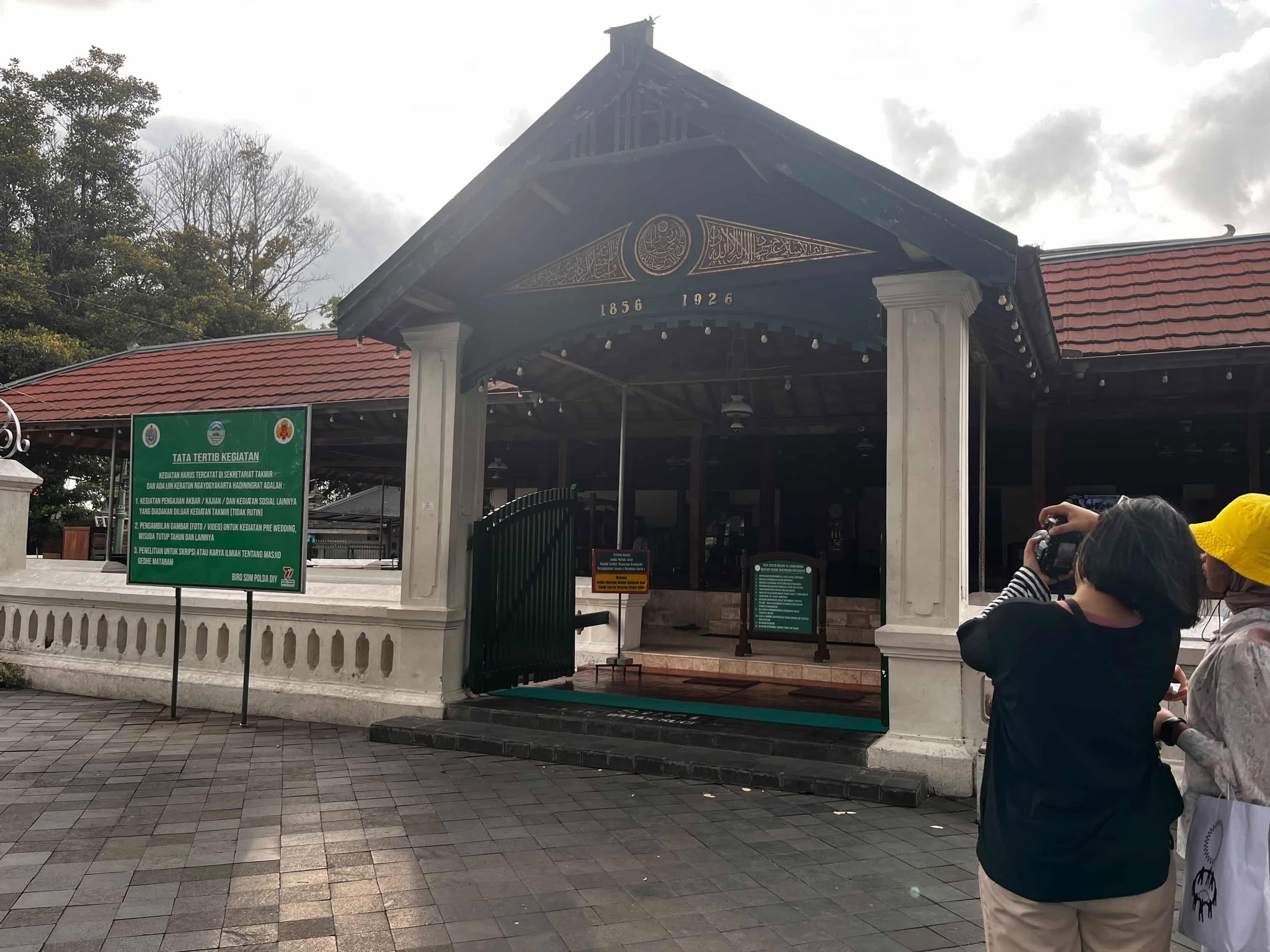
Kelanawisata.id, Bantul - Fellow Travelers, have you ever imagined what it would be like to be in a place where the atmosphere remains the same as it was hundreds of years ago? If you’re looking for a destination with a “soul,” rich in history, yet still a great place for reflection, the answer is the Gedhe Mataram Mosque in Kotagede.
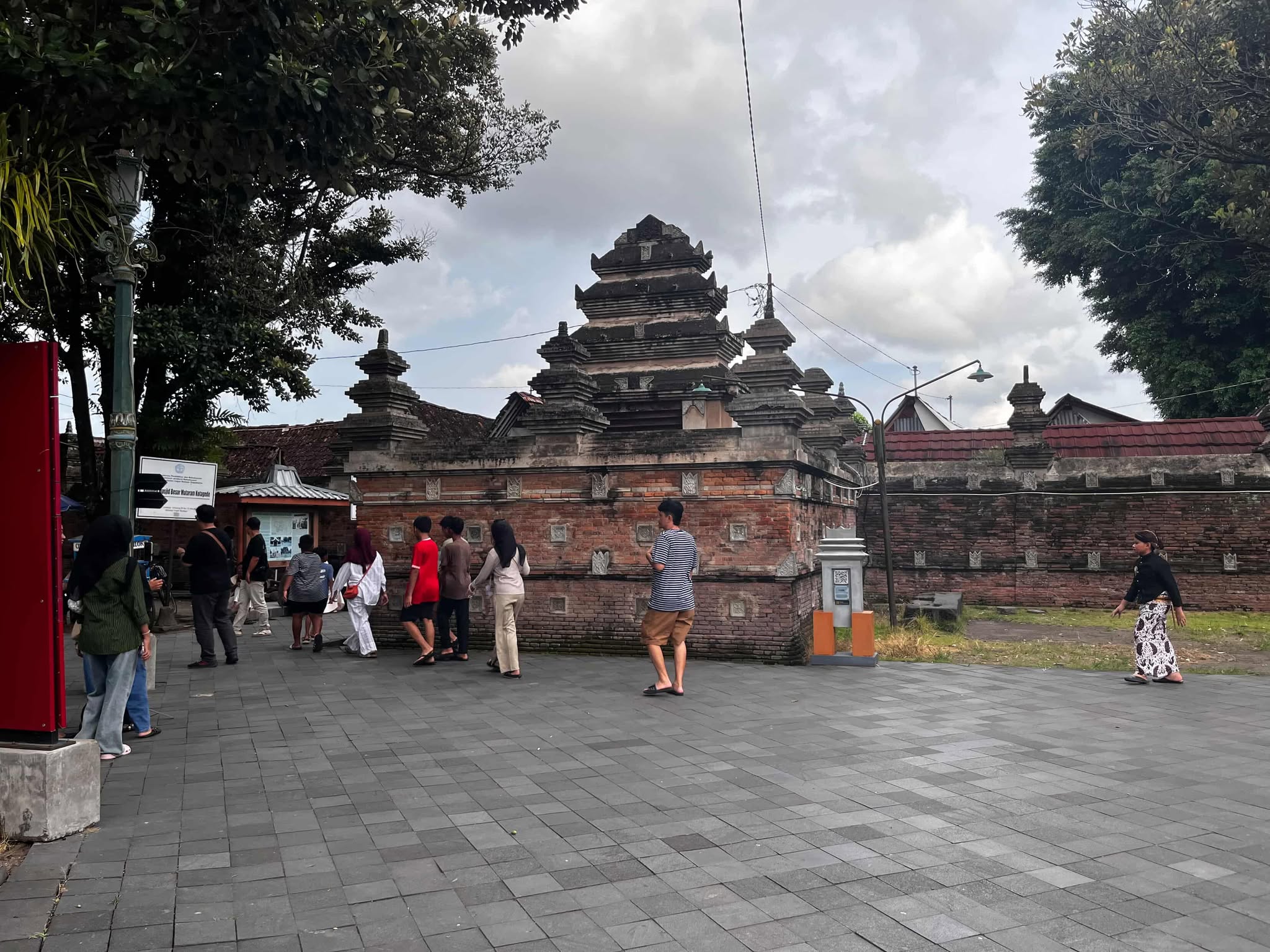
Hidden behind the hustle and bustle of Kotagede’s silver center, this mosque is more than just an ordinary place of worship. It stands as a testament to the long history of the Islamic Mataram Kingdom on the island of Java. After visiting Sendang Seliran, Travelers can stop by to rest or pray at the Great Mosque of Mataram. This complex is part of the Catur Gatra Tunggal.
What is Catur Gatra Tunggal? A concept of urban planning from the Islamic Mataram era consisting of the Kraton as the center of government, the Alun-alun as a venue for social gatherings, the Mosque as a house of worship, and the Market as a hub for economic development. According to sejarah.fkip.uns.ac.id, Catur Gatra signifies four interconnected pillars of life. The political, economic, religious, and socio-cultural pillars are integrated into the architectural framework of the Islamic Javanese royal city.
Returning to the Great Mosque of Mataram, this area is a heritage site or cultural reserve that still preserves its ornamental architecture. It resembles a Pura with a Paduraksa gate surrounded by a brick fortress. The architectural style of this building enhances the distinctive atmosphere of Islamic Mataram from 4.5 centuries ago.
Masjid Gedhe Mataram is a mosque that is synonymous with Javanese mosque architecture in general. Before entering the mosque, there is a pond typically used for washing one’s feet before entering. Additionally, the mosque’s roof does not feature a dome but instead uses a Tumpang Tiga roof, characteristic of Javanese mosques. At the peak sits a crown known as the Pataka. This is a distinctive hallmark of Javanese mosques, which also feature pillars or Soko Guru as their supports.
Construction of this mosque took place in the 16th century during the reign of Panembahan Senopati, who was the ruler of Islamic Mataram at the time. A tragic fire led to the mosque’s renovation between 1856 and 1926. According to jogjacagar.jogjaprov.go.id, the Great Mosque of Mataram consists of a main hall with four Soko Guru pillars, a porch with a limasan roof featuring takir and lumajang construction, the Pawestren or northern porch as a prayer area for women, a Parit (foot-washing area) for cleansing feet before entering the mosque, and a surrounding fence.
The Great Mosque of Mataram holds significant cultural value. The acculturation of Hindu-Buddhist-Islamic architectural styles into a single design served as a strategy for Islamic proselytization by Kanjeng Sunan Kalijaga. The local community in the Alas Mentaok area at that time largely adhered to animism, dynamism, Hinduism, and Buddhism. “I’ve learned a lot about the history of Islamic Mataram and how the mosque’s architecture still blends elements of Hindu-Buddhist styles,” said Lisa, one of the visitors at the Great Mosque of Mataram.
Travelers, your visit wouldn’t be complete without taking photos at the Masjid Gedhe Mataram complex. It’s not just the mosque; the area also features the Tomb of Panembahan Senopati, the Masjid Courtyard, and Sendang Seliran. Kotagede holds deep historical significance and value waiting to be explored further. Stay tuned for the next installment of our “Tracing the Footsteps of the Oldest Cities” series in Yogyakarta, Surakarta, and Semarang with Kelana Wisata.


