A Stage of Dreams from the Outskirts: YUTFest is The New Face of the 2026 ‘Parade Teater Linimasa’ in TBY

Kelanawisata/frm
|
07 Mei 2026
|
537x Dilihat
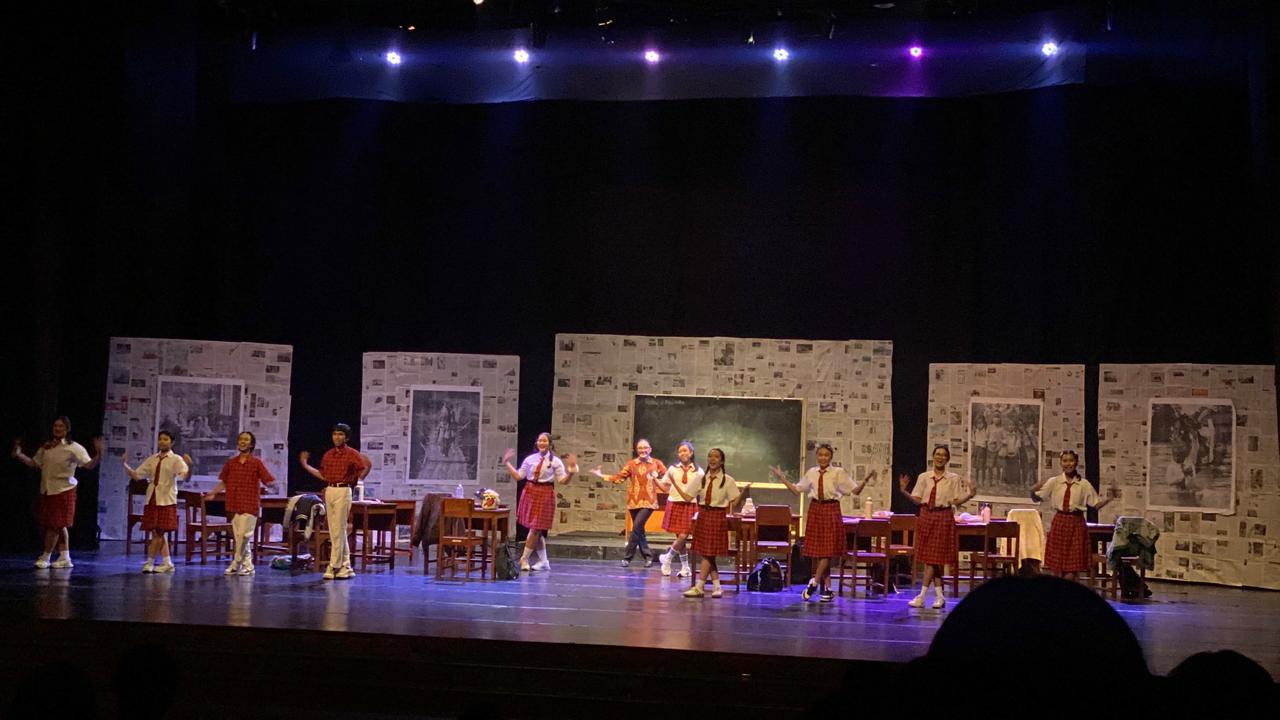
Kelanawisata.id, Yogyakarta - The lights in the Concert Hall at Taman Budaya Yogyakarta dimmed slowly. There was a moment of silence, before the sound of music and the stage lights brought to life a narrative that had been dormant for months. The Yogyakarta Urban Theater Festival (YUTFest) 2026 officially opens, marking a new chapter for the theater scene in the City of Gudeg with a fresher spirit and sharper curation.
The event, previously known as the Linimasa Theater Parade, has now transformed into the Yogyakarta Urban Theater Festival (YUTFest) 2026. More than just a name change, this festival—taking place May 6–8, 2026—sets a new standard within the performing arts ecosystem. Support from the Special Allocation Fund (DAK) provided by the Ministry of Culture serves as tangible proof that the government is beginning to recognize urban theater as a crucial cultural asset.
The journey to the main stage was no easy feat. Out of 25 submitted proposals, the curators narrowed them down to 10 nominees who had to present their concepts online. As a result, six top teams were selected to take the grand TBY stage.
Judha Jiwangga, director of Teater Seriboe Jendela, views this phenomenon as a breath of fresh air for the regeneration of artists. In his view, YUTFest is not merely a platform for showcasing works, but a space for appreciation that has a massive impact on campus theater and local communities.
A pleasant surprise came from Gunungkidul. Amidst the dominance of urban theater groups, Sanggar Ori managed to make it through the rigorous selection process. Their presence proves that artistic quality is not limited by geographical boundaries.
Purwiati, Director of Taman Budaya Yogyakarta, expressed her pride in the diversity of this year’s participants. She noted that the success of a troupe from a remote village in performing on this prestigious stage is an extraordinary achievement for artistic inclusivity in Yogyakarta.
For Jevi Adinugraha of Sanggar Ori, this opportunity is a dream come true. He hopes the YUTFest stage can inspire the emergence of new theater groups in remote villages, enriching Yogyakarta’s cultural tapestry. Among the audience, the enthusiasm was palpable.
Trivianda, a student who traveled all the way from Surabaya specifically for the event, admitted to being captivated by the diversity of genres on display, ranging from modern musicals to performances steeped in traditional elements like Javanese Ludruk. The festival will continue to breathe life into Yogyakarta’s arts scene until May 8.


