Exploring the Splendor of Giriloyo Hand-Drawn Batik in the Heart of Imogiri

Kelanawisata/frm
|
17 September 2026
|
19x Dilihat
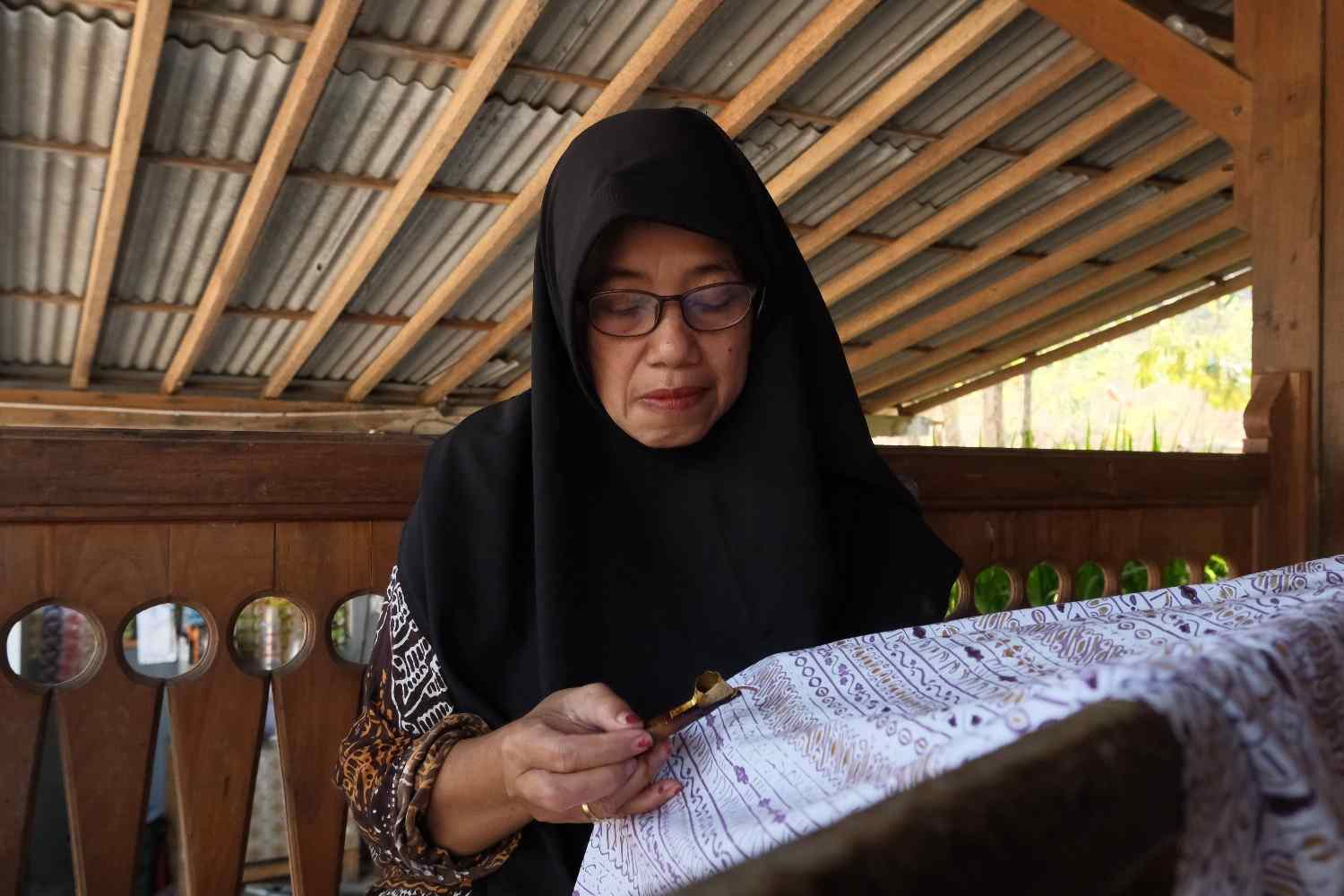
Kelanawisata.id, Bantul—The scent of night-blooming wax boiling over a small stove fills the air in Wukirsari Village, mingling with wispy plumes of smoke that dance between the fingers of hundreds of women batik artists. At the foot of the Imogiri hills, specifically on the northern side of Astana Giriloyo, the tradition of hand-drawn batik is not merely an economic activity but the very breath of life that has been consistently preserved since the era of Sultan Agung’s reign over the Mataram realm.
The landscape of Wukirsari Village has now transformed into a magnet for seekers of authentic culture. The hundreds of hand-dyeing artisans living here are the heirs to skills passed down through generations. History records that the origins of this artistry trace back to the wives of court servants who dedicated themselves to the royal palace. When the center of power in Islamic Mataram shifted to the Pleret area during the reign of Amangkurat, the pulse of batik-making in Giriloyo actually took even deeper root.
Historical Roots in the Land of Mataram
The close connection between Giriloyo and the royal palace gives the motifs produced here a unique character. Every stroke of the canting carries a profound philosophy—an identity that has been preserved despite the changing times. The artisans here do more than simply draw on fabric; they are preserving the collective memory of their ancestors that dates back hundreds of years.
Efforts to preserve the authenticity of this hand-drawn batik technique have yielded sweet rewards on a national level. The Ministry of Tourism has named Giriloyo Tourism Village one of the top five best tourism villages. This recognition reinforces Giriloyo’s position not only as a production center but also as a premier cultural education destination for both domestic and international tourists.
Become a Batik Artist for a Day
Visitors don’t just go home with a piece of fabric. The village offers an immersive experience through various workshop packages. For 250,000 rupiah, visitors get the chance to delve into the intricate process behind a single piece of premium hand-drawn batik. This package includes interviews and direct interaction with the artisans, facilitating an authentic transfer of knowledge.
These interactions often open travelers’ eyes to the level of difficulty and precision required. Many visitors from out of town deliberately set aside several days just to master the basic canting technique, proving that the appeal of Imogiri’s hand-drawn batik extends far beyond a mere fashion commodity.
Harmony of Tradition North of Astana
Wukirsari’s uniqueness extends beyond textiles. Located on the northern side of the Astana Giriloyo royal burial complex, this village is also widely known for its traditional gurah healing practices. The combination of batik cultural tourism and traditional healing creates a unique and holistic tourism ecosystem.
The fact that hundreds of batik artists remain faithful to the manual painting technique amid the onslaught of printed batik is a source of pride. In Giriloyo, time seems to move more slowly, allowing for the precision and patience needed to continue producing works of art of great value to civilization.


