Ars Longa Generatio Contemporary Art Festival Officially Closes

Kelanawisata/frm
|
01 September 2026
|
196x Dilihat
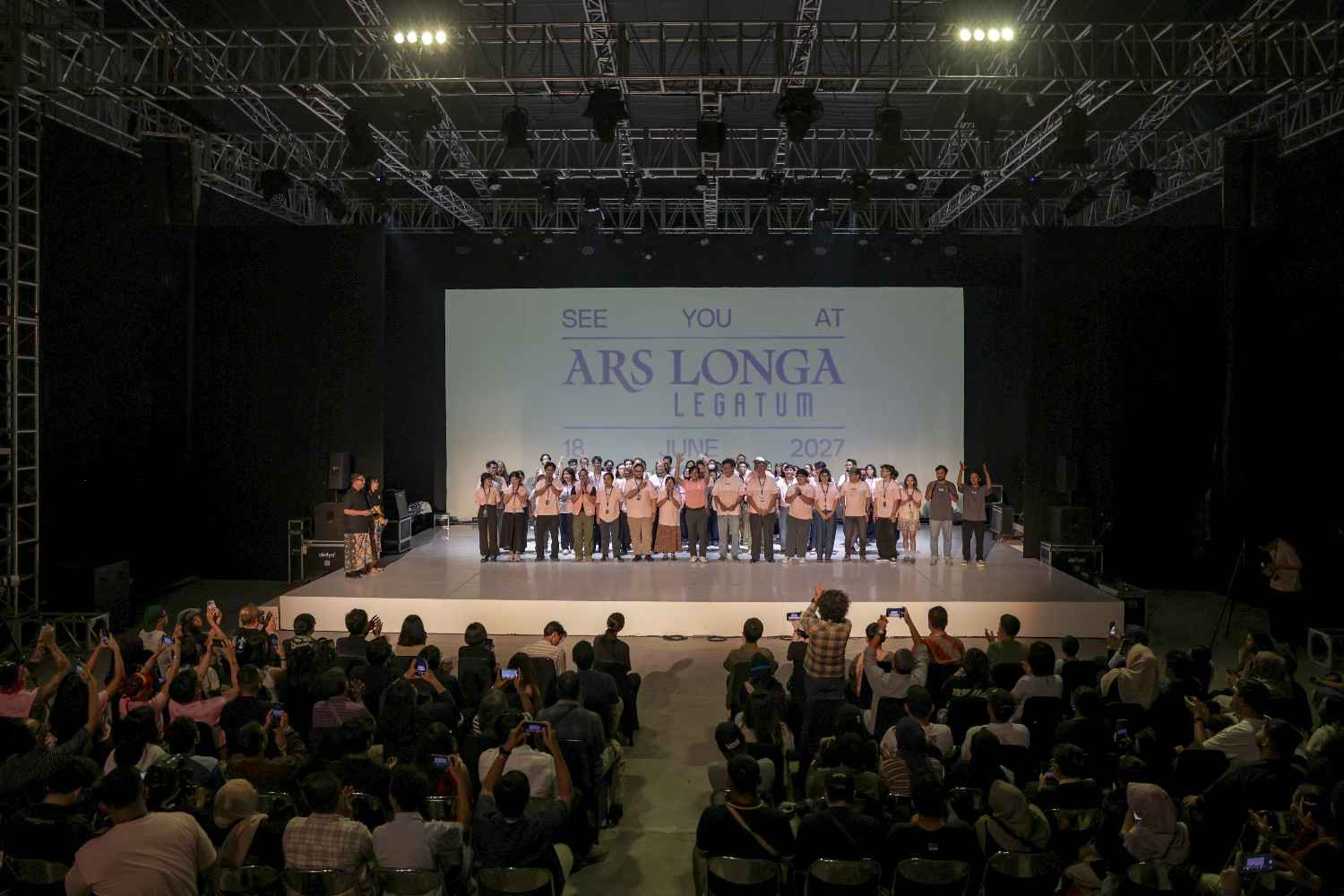
Kelanawisata.id, Yogyakarta — ARTJOG 2026 officially closed on Sunday evening, August 30, after attracting more than 90,000 visitors throughout the festival. According to ARTJOG Executive Director Heri Pemad, this year’s attendance was lower than the previous edition, although the decline was less than 10 percent, which he attributed to a slight decline in current economic conditions. Despite the decrease, around 70 percent of this year’s visitors came from outside Yogyakarta, highlighting ARTJOG’s role in attracting tourists and expanding the city’s cultural tourism offerings.
The closing ceremony featured a performance by Indonesian indie pop band White Shoes & The Couples Company, followed by an electronic music set by Les Garçons Aux Chaussures Blanches.
This year’s edition also marked the beginning of ARTJOG’s three-year thematic trilogy, “Ars Longa,” a Latin phrase meaning “art endures.” According to guest curator Farah Wardani, the trilogy will guide ARTJOG through 2028, beginning with “Generatio” in 2026, followed by “Legatum” in 2027 and “Mundus” in 2028. The 2027 edition, themed “Legatum,” will coincide with ARTJOG’s 20th anniversary and will commemorate artists who have contributed to the development of the arts.
Wardani said contemporary art cannot be separated from the tensions and realities outside the exhibition space. She described this year’s ARTJOG as more than a celebration of art, saying the festival has become a space for developing a new collective consciousness through a re-examination of art’s role and relevance in society. ARTJOG has also welcomed criticism and public debate surrounding the festival, viewing them as part of a shared effort to strengthen Indonesia’s arts ecosystem.
Heri Pemad expressed his support for the growing number of art exhibitions in Yogyakarta, emphasizing the need for more spaces where artists can present ambitious and experimental works.“Our main principle is to continue striving for spaces that represent the artists’ ideas, while also ensuring the sustainability of the artists’ work,” Pemad said.
He added that the discussions and criticism surrounding ARTJOG also serve as a form of self-reflection on the current state of the arts ecosystem. “We appreciate every discussion that has emerged as a manifestation of our shared concern. Because without the trust of artists and public support, ARTJOG would lose its meaning,” he said.
Established in 2008 as the Jogja Art Fair, ARTJOG has grown into one of Indonesia’s major contemporary art festivals. It provides a platform for artists to present diverse and experimental works while serving as a meeting point for Indonesia’s contemporary art community and the wider global arts ecosystem.
As it approaches its 20th edition in 2027, ARTJOG says it will continue improving its festival governance to create cutting-edge aesthetic experiences within a more mature, inclusive, critical, and artist-friendly environment.
The next chapter of that journey will begin with “Legatum,” as ARTJOG enters its third decade by looking back at the artists and artistic contributions that have helped shape its history.


